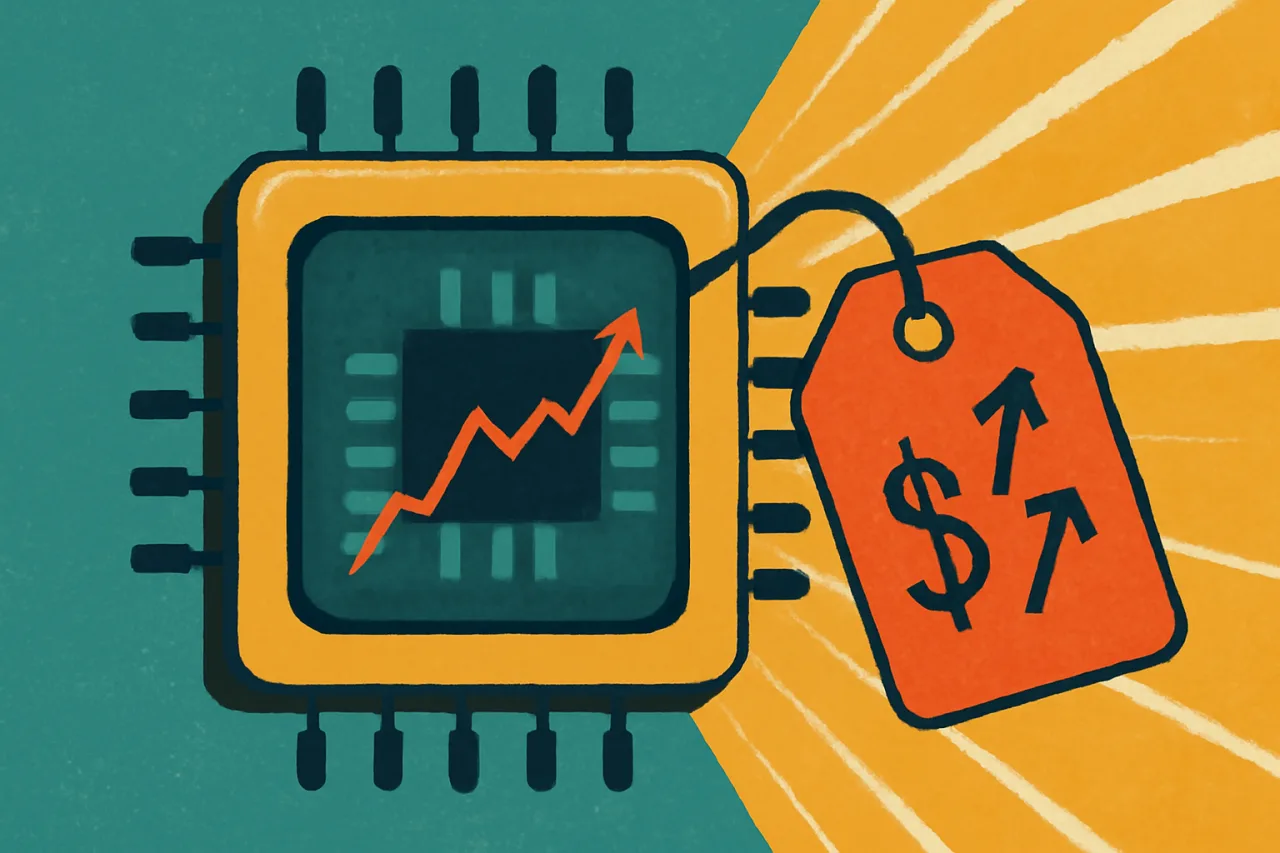
Apple announced today that it has increased the prices of several key products. These increases affect devices such as the iPad and Mac, as well as other products like the HomePod and Apple TV. The company stated that the price hikes were inevitable due to the shortage in memory chip supply. This situation has initiated a cycle that directly impacts the costs for both Apple and its competitors, raising consumer prices.
What happened?
Apple raised the prices of its products due to challenges in memory chip supply. The increase starts at $30 for the HomePod mini and goes up to $1300 for the Mac Studio. The company's CEO, Tim Cook, emphasized that the price increases were "inevitable."
Why is it important?
Memory chips are at the heart of modern electronic devices today. Behind Apple's price increases lies the growing demand for memory and storage in data centers. This situation affects not only Apple but also other tech giants like Microsoft, Samsung, and Dell. These companies have also implemented similar price increases. For instance, Samsung's price hikes on memory chips are raising the costs of smartphones and other devices. Such high costs will influence consumers' purchasing decisions.
What is changing?
Price increases will directly affect consumer behavior. As costs rise, consumers will likely compare prices more and turn to alternative products. This situation will particularly encourage a shift towards entry-level products. For example, the unchanged prices of iPhones indicate Apple's effort to maintain its market share in this segment. However, as memory chip supply issues persist, price increases will not be limited to Apple; competitors will also need to reassess their pricing strategies. In this context, market dynamics are being reshaped.
What’s next?
In the upcoming period, how Apple and other tech manufacturers manage their pricing strategies will be a point of interest. If the memory chip supply shortage seems set to last until 2027, price increases may continue. However, Apple has indicated that it is seeking solutions, which means that steps could be taken to lower prices in the future. Still, the effects on consumer behavior will be long-lasting, and brands will have to reassess their strategies for customer loyalty.
In conclusion, Apple’s price increases will resonate significantly in the industry and mark an important turning point that will affect the cost structure of technological products. How the company will navigate its pricing in the future and the implications of this situation for the market will be a topic worth monitoring closely.
Yorumlar (0)
Henüz yorum yok. İlk yorumu sen yaz.
Yorum yapmak için Sinyal'i indir
Yorumlar Sinyal hesabıyla yapılır. Mobil uygulamada giriş yap, yorum bırak.