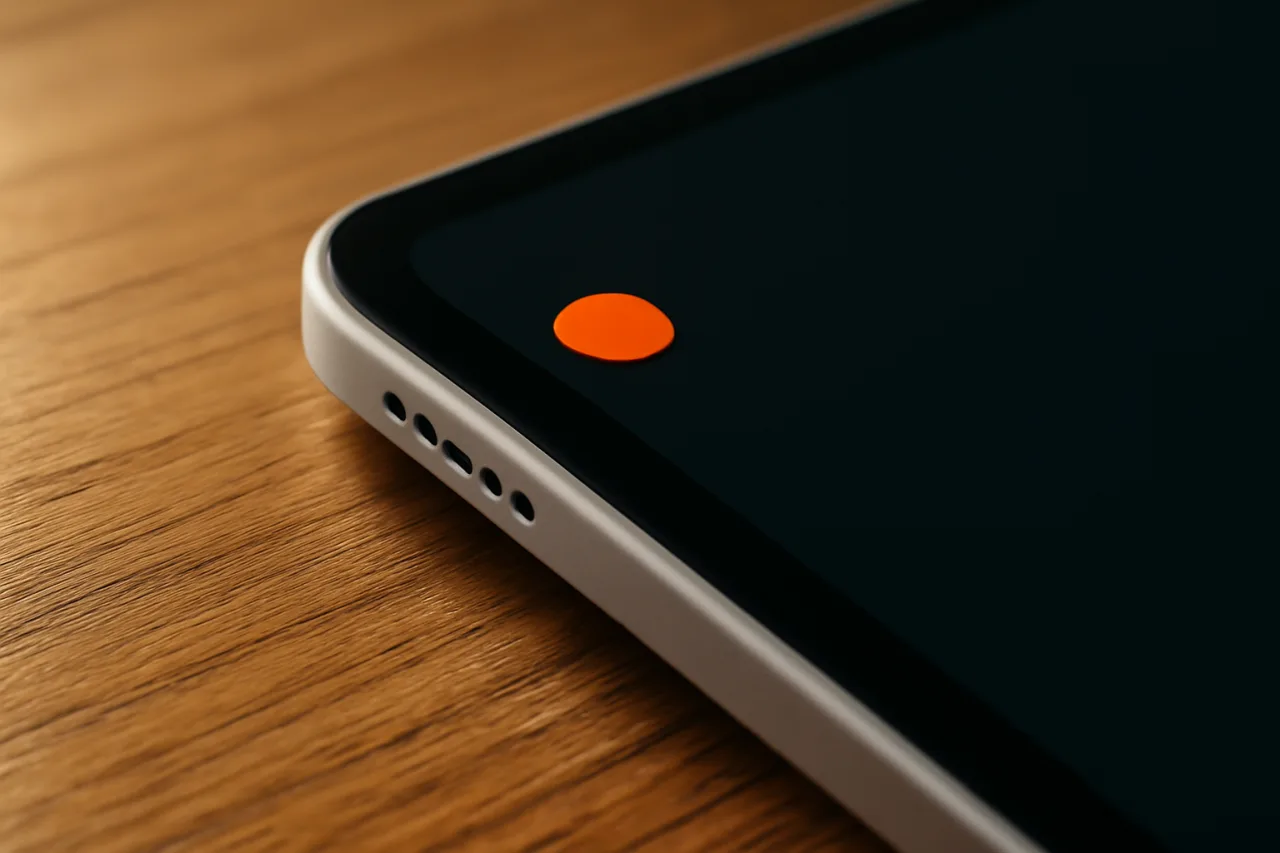
Apple announced that some older iPad models will not receive the iPadOS 27 update. While this situation may disappoint users, it could have significant implications for Apple's user loyalty and sales strategies.
Why is it important?
Apple has built a loyal customer base over the years. However, the lack of support for older devices could undermine this loyalty. Users typically wait for updates before considering replacing their old devices. If a user has to change their old device to benefit from new features, it could shake their trust in the brand. Additionally, the new functions that come with updates may lead users to compare their old devices with the latest models. In other words, realizing that using an old device means losing many new features can have a negative impact on users.
Previous iPadOS versions supported most iPad devices, but this new strategy raises questions about Apple's relationship with older devices. For instance, the lack of support for models like the iPad Air 2 can be interpreted as an effort to steer users towards newer models. However, while this strategy may boost new device sales in the short term, it could harm user loyalty in the long run.
What is changing?
Apple has made a critical decision regarding how to guide its existing user base while highlighting performance improvements and user experience in the new iPadOS version. Leaving out older devices has the potential to increase new device sales. Users may feel compelled to turn to newer models for the new designs and functionalities that come with updates. For example, the iPad Pro series attracts attention with its powerful processors and display technology. However, this may also lead users to seek more affordable alternatives.
| Model | Support Status | Sales Trend |
|---|---|---|
| iPad Pro 11 | Supported | High |
| iPad Air 2 | Not Supported | Low |
| iPad 9 | Supported | Medium |
| iPad Mini 5 | Not Supported | Low |
What's next?
Apple's efforts to maintain user loyalty will continue to be combined with new product launches. It is expected that Apple will adopt a design and functionality-focused approach to guide users towards purchasing new devices. Additionally, it becomes increasingly important to offer alternative solutions when older devices are not supported to ensure the satisfaction of the existing user base. Instead of bringing new features to old devices, presenting the advantages of next-generation devices forms the cornerstone of Apple's strategy.
In conclusion, Apple's decision to leave out some older models with iPadOS 27 could harm user loyalty. However, this strategy also has the potential to increase new device sales. Apple must carefully navigate this balance.
Yorumlar (0)
Henüz yorum yok. İlk yorumu sen yaz.
Yorum yapmak için Sinyal'i indir
Yorumlar Sinyal hesabıyla yapılır. Mobil uygulamada giriş yap, yorum bırak.