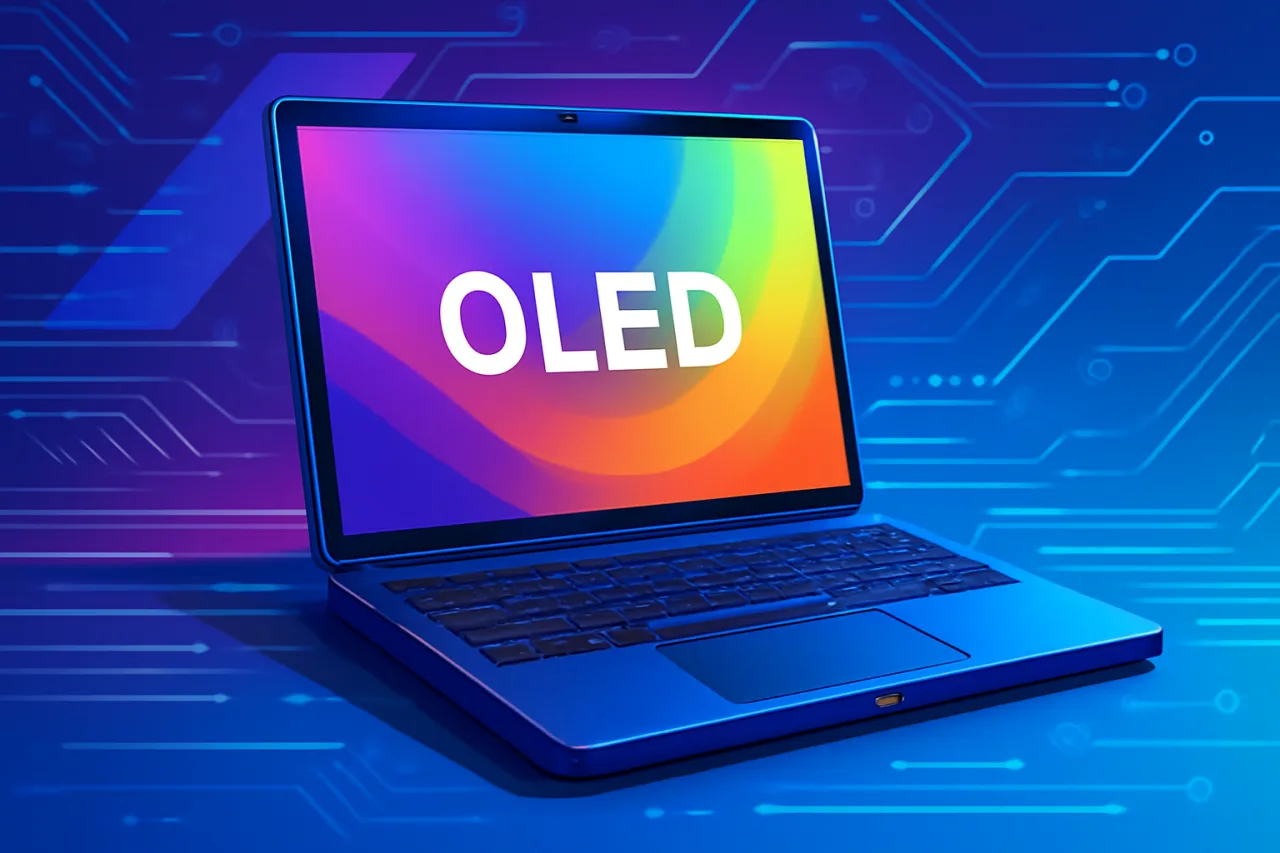
Apple's new OLED screen MacBook Ultra model will be released using the M5 Pro and M5 Max chips. This decision, along with the skipping of the anticipated M6 chips, raises significant questions about the company's performance and innovation strategy.
What happened?
Apple announced that it will use the existing M5 Pro and M5 Max chips in its high-performance new MacBook Ultra model. This model will be available in 14 and 16-inch screen sizes. Additionally, it will include new designs and innovations such as the Dynamic Island feature found in the iPhone.
Why is it important?
Apple's choice of the M5 series indicates that the company has made a strategic decision in its chip development path. Typically, tech giants prefer to use the latest technologies in their new products. However, Apple has chosen to continue with existing chips, skipping the expected performance boost of the next-generation M6 chips. This choice may suggest that the current M5 chips still offer sufficient performance; however, it also raises concerns about a slowdown in innovation.
On one hand, while the current M5 chips are high-performing, the continuous introduction of new and more powerful chips by competing manufacturers poses a potential risk to Apple's decision. For instance, the previously used M1 and M2 chips managed to stand out in the industry. Skipping the new M6 series raises questions about the robustness of Apple's long-term strategy.
What is changing?
Apple's decision to use the M5 Pro and M5 Max chips in this new model will also lead to price increases. However, considering the current price ranges and performance features, the justification for this price increase can be questioned. Additionally, with M7 chips planned to be released around the end of 2027, users will continue to stay updated with the M5 series. This could maintain satisfaction among current users while potentially deterring new users due to the lack of technological advancement in the product.
| Feature | M5 Pro | M5 Max |
|---|---|---|
| Performance | High | Very High |
| Price | $1,999 + | Higher |
| Innovation | Minimum | Minimum |
What’s next?
Apple continues to plan for the development of stronger next-generation products with M7 Pro and M7 Max chips. However, it will be important to see how this process will provide a performance boost and how current users will react to this transition. As users evaluate the performance and price of the new MacBook Ultra, they will be curious about what kind of changes Apple's chip strategy will bring in the long run.
In conclusion, it can be said that concerns are growing regarding Apple's current chip choice slowing down the company's innovation pace. However, the decision to continue with M5 chips, prioritizing user experience, may offer a sufficient solution for some users.
Yorumlar (0)
Henüz yorum yok. İlk yorumu sen yaz.
Yorum yapmak için Sinyal'i indir
Yorumlar Sinyal hesabıyla yapılır. Mobil uygulamada giriş yap, yorum bırak.