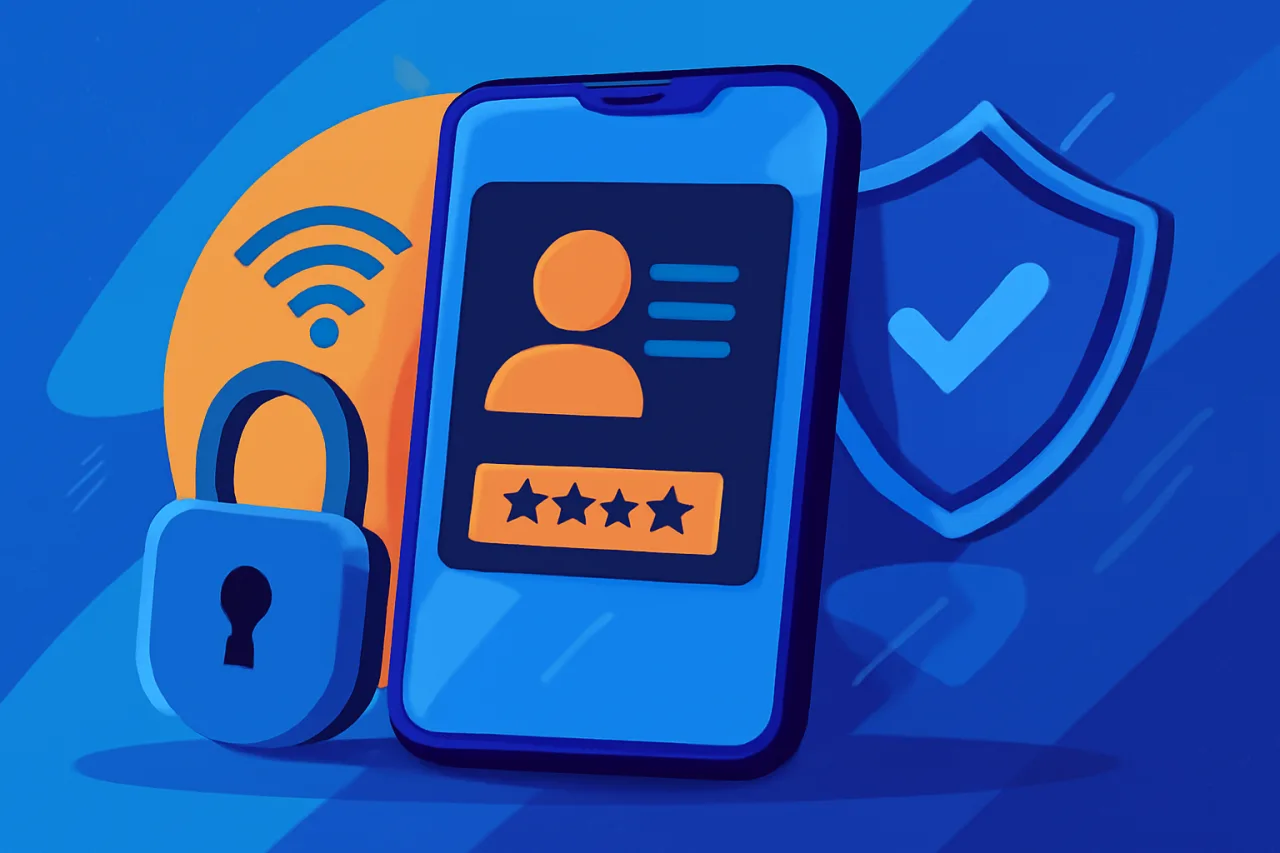
Apple introduced the Digital ID feature on iPhone last year. Users can utilize their U.S. passports as identification through Apple Wallet. In recent years, there has been a slow rollout at the state level for adding driver's licenses to Apple Wallet. However, Digital ID appeals to a broader audience as it allows everyone to use their passport. This feature can be used at TSA checkpoints in airports, but Apple's goal is larger: identity verification in the digital age.
What happened?
Recently, it has been noted that Apple's Digital ID feature could have a significant area of use. The potential use of an app called Claude could pave the way for the more widespread adoption of digital identities. This situation promises to reduce the use of physical IDs and speed up identity verification processes.
Why is it important?
The widespread adoption of digital identities offers many advantages in users' daily lives. Using digital options instead of physical IDs can enhance security and improve user experience. For example, digital identities can provide a faster and more reliable identity verification process, minimizing long wait times. Additionally, they can offer more control over data privacy and security. However, the implementation of digital identities varies from country to country. For instance, while some European countries have more mature digital identity applications, others are still in the early stages.
The innovations brought by digital identities come with security concerns, sparking discussions about how users' data will be used and what security measures will be taken. In the U.S., the lack of clear legal regulations regarding the use of digital identities increases uncertainties in this area. On the other hand, regulations like GDPR in Europe are also a noteworthy comparison regarding how they affect the use of digital identities.
What is changing?
The adoption of digital identities could usher in a new era for both individuals and governments. For users, having fewer portable identity documents and less physical interaction can provide convenience in daily life, while for governments, ensuring the management and security of digital identities could pose significant challenges. Moreover, the fact that digital identities are becoming a necessity not only for identity verification but also for accessing various services could transform many sectors. In this context, initiatives from large tech companies like Apple could serve as examples for other firms.
What’s next?
In the upcoming period, a broader acceptance of digital identities is expected. Apple's application and development processes may influence other technology companies as well. With the integration of digital identities into more countries and services, legal regulations in this area may need to accelerate. Establishing security standards and ensuring transparency will be critical for users to safely utilize their digital identities.
In conclusion, Apple’s Digital ID feature should be seen not just as an innovation but also as an important step towards identity verification and data security in the digital age. However, how smoothly this process will go depends on how both users and governments adapt to this new identity system.
Yorumlar (0)
Henüz yorum yok. İlk yorumu sen yaz.
Yorum yapmak için Sinyal'i indir
Yorumlar Sinyal hesabıyla yapılır. Mobil uygulamada giriş yap, yorum bırak.