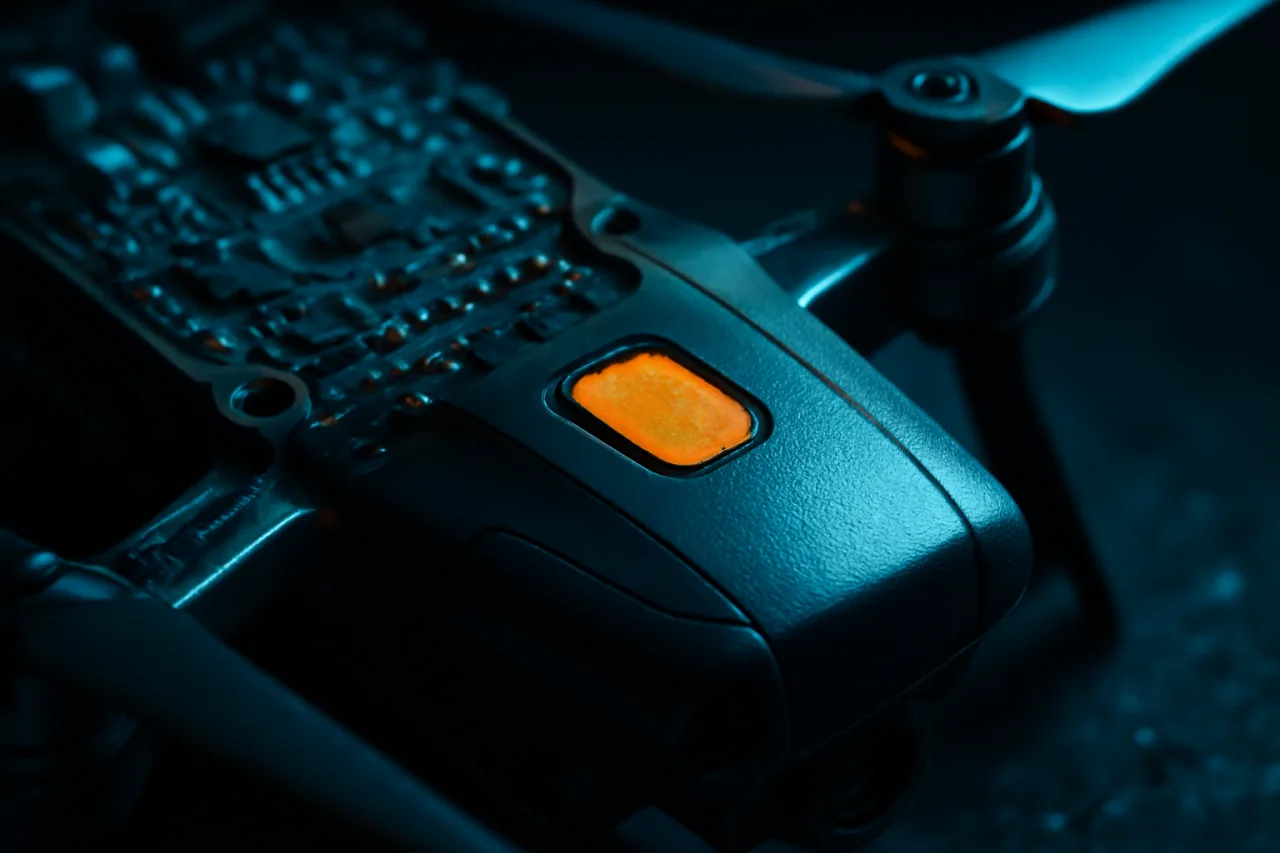
Baykar has unveiled three new kamikaze drones named K2, Mızrak, and Sivrisinek, set to launch in 2026. These vehicles come equipped with AI-supported autonomous attack capabilities. Additionally, they aim to innovate the dynamics of modern battlefields by utilizing Mesh Network and GNSS-independent systems.
What happened?
Baykar has taken a step further in autonomous attack capabilities with its next-generation kamikaze drones. The K2, Mızrak, and Sivrisinek drones are designed to support swarm warfare strategies. Thanks to artificial intelligence, these systems can communicate with each other and independently identify their targets.
Why is it important?
Today, warfare strategies are evolving alongside technological advancements. Baykar's new technologies signal a significant shift in the global defense industry. In recent years, the use of autonomous systems and artificial intelligence in the military has increased, offering a structure that can make more effective and rapid decisions on the battlefield. Additionally, the ability to deceive enemies and cope with swarm attacks could seriously change the nature of warfare. Particularly, with autonomous systems, human casualties may decrease while costs could also be reduced.
To make a comparison, Baykar's move is a concrete example of the long-awaited swarm warfare concept. In recent years, the U.S.'s investments in drone technology have showcased the potential of autonomous combat vehicles. However, Baykar provides both an economic and strategic advantage with its local and national production approach in this field.
What is changing?
Baykar's new drones seem poised to create a significant impact in both local and international defense markets. With this technology, Turkey could take a more independent position in the defense industry. Furthermore, the potential of these systems may lead other countries to turn towards artificial intelligence and autonomous systems. As Turkey's role in the global defense industry increases, these developments could create new dynamics in international relations. Baykar's technologies will not only provide superiority over its competitors but also strengthen Turkey's military power.
What’s next?
In the future, the effectiveness of Baykar's drones will be more clearly observed through international tests and operational uses. Additionally, the success of artificial intelligence and autonomous systems on the battlefield will be monitored by other defense firms. The growing interest in AI-supported developments could facilitate the wider adoption of such systems.
In conclusion, Baykar's new drone introduction could mark a significant turning point in the defense industry. The integration of autonomous systems seems poised to make a substantial contribution to the nature of modern warfare. However, it should not be forgotten that the ethical and strategic dimensions of such systems also need to be questioned.
Yorumlar (0)
Henüz yorum yok. İlk yorumu sen yaz.
Yorum yapmak için Sinyal'i indir
Yorumlar Sinyal hesabıyla yapılır. Mobil uygulamada giriş yap, yorum bırak.