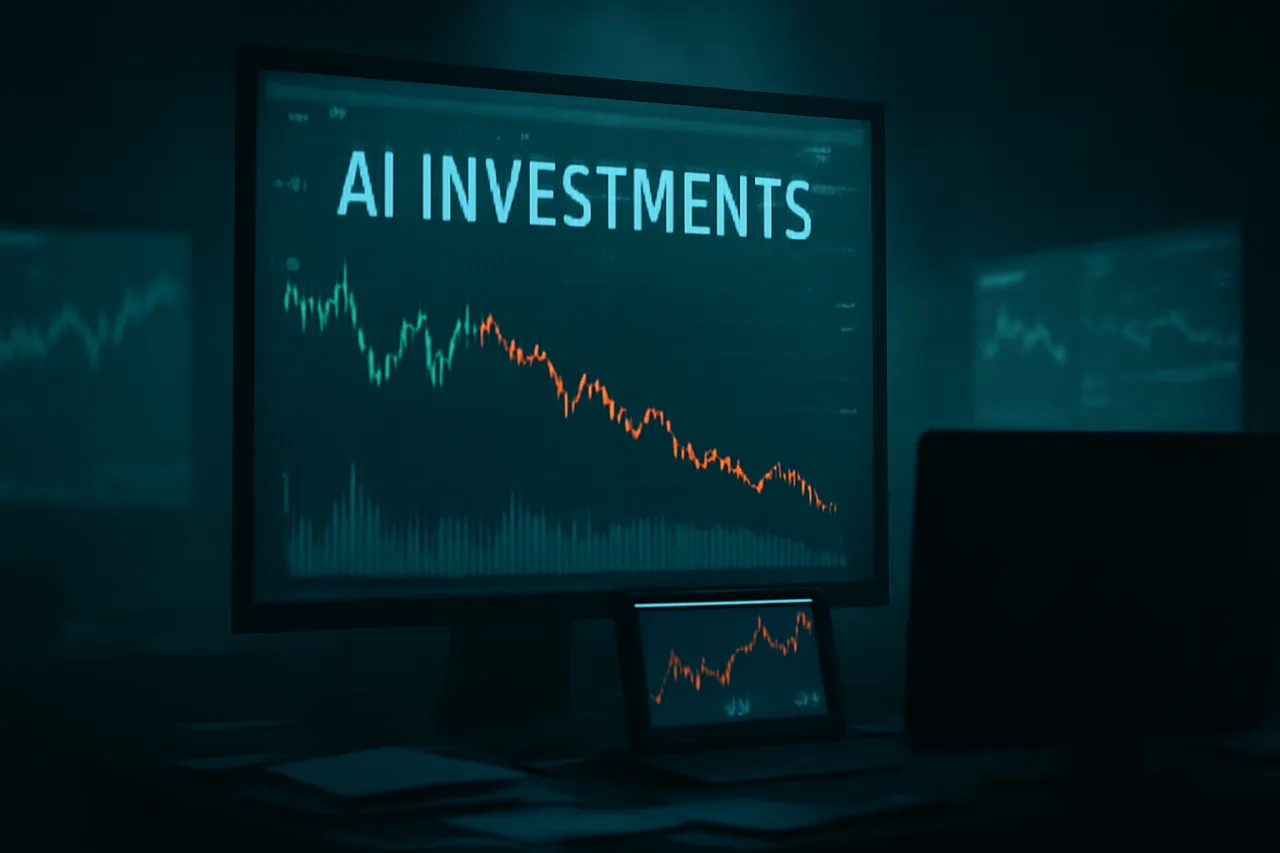
Recently, the Bank for International Settlements (BIS) issued warnings that a potential collapse in AI investments could have effects similar to the 2008 financial crisis. This situation has drawn the attention of investors and market regulators. While AI has the potential to revolutionize many sectors, excessive investment and speculation in this area could pose serious risks to the financial system.
What Happened?
In its annual report, BIS highlighted not only AI investment strategies but also other 'pressure points' such as inflation and financial stress. A significant disappointment in AI investments could lead to a sudden pullback, causing fluctuations in lending and credit markets. The 2008 financial crisis was triggered by the emergence of structural risks, such as the collapse of mortgage-backed securities.
Why Is It Important?
AI has seen substantial growth over the past few years, and the sustainability of this growth is being questioned. The 2008 crisis began with the proliferation of high-risk mortgage products; similarly, AI investments could also shift towards excessive speculation and low-quality projects. Many companies today are making substantial investments in AI technologies, but there are uncertainties regarding the returns on these investments. If these uncertainties persist, investors may panic, leading to sudden pullbacks.
Investors and financial regulators need to understand the risks associated with AI investments and establish a more robust oversight mechanism in this area. A study conducted in 2021 revealed that 70% of AI projects fail. This situation necessitates that investors exercise greater caution. Additionally, considering the ethical and social impacts of AI is crucial for ensuring sustainable growth.
What Is Changing?
If a collapse occurs in the AI sector, it could affect not only technology companies but also financial markets. Like in 2008, investor confidence could be shaken. It was understood during the 2008 crisis that regulators needed to impose stricter rules. A similar need for regulation may arise in the AI sector as well. In this case, investors are expected to demand more data and transparency to understand which projects are sustainable.
A table can help visualize these changes more clearly:
| Year | Event | Impact |
|---|---|---|
| 2008 | Mortgage crisis | Collapse of financial markets |
| 2023 | Collapse in AI investments | Fluctuations in credit markets |
What’s Next?
BIS's warnings may prompt investors and regulators to take action. In the coming period, a more careful evaluation and oversight of investments in AI is expected. Therefore, it is likely that the number of independent organizations analyzing the returns on AI investments will increase. In the long term, not only profits but also the social impacts of these investments should be considered.
In conclusion, while AI investments hold great potential, excessive speculation and uncertainties could lead to a collapse similar to the 2008 crisis. Investors and regulators need to adopt more careful and responsible approaches in this regard.
Yorumlar (0)
Henüz yorum yok. İlk yorumu sen yaz.
Yorum yapmak için Sinyal'i indir
Yorumlar Sinyal hesabıyla yapılır. Mobil uygulamada giriş yap, yorum bırak.