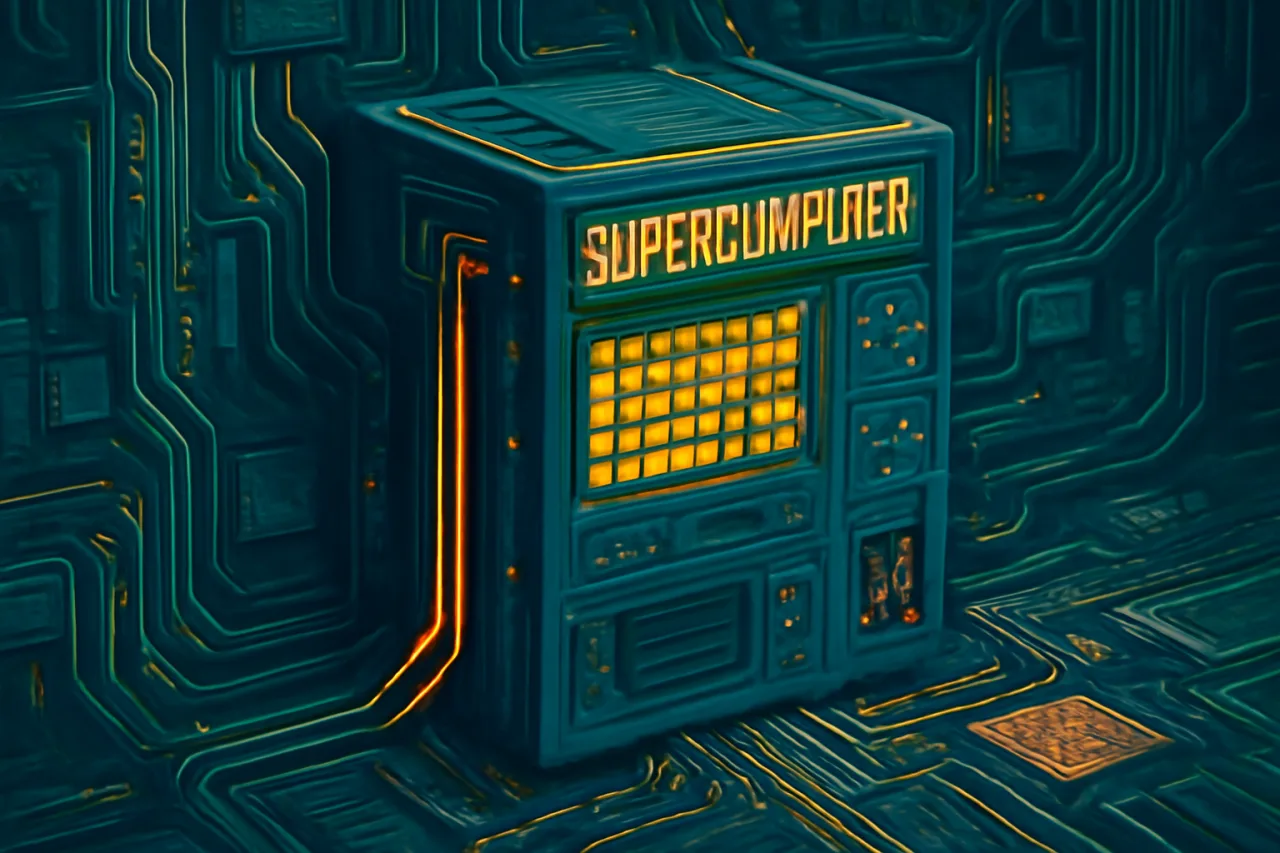
China has once again proven its claim in the supercomputer field by seizing the top spot on the TOP500 list. The LineShine supercomputer, which does not use GPUs, has surpassed the impressive performance of the U.S.'s El Capitan. This development not only highlights China's advancements in supercomputer technology but also indicates that the technology battle between the U.S. and China has entered a new dimension.
What happened?
China made a significant move in the supercomputer world by developing the LineShine system and earning the title of the world's fastest supercomputer. This success is a sign of China's rise in the international technology arena. While El Capitan was known as the most powerful supercomputer in the U.S., it has now lost this title. Such developments reveal that supercomputers are critical not only for scientific research but also for national security and strategic studies.
Why is it important?
China's achievement is the result of a long-standing competition in supercomputer technology. Since the early 2010s, this struggle among supercomputers has been shaped not only by speed but also by energy efficiency and intense computational power. By using these supercomputers for big data analysis and artificial intelligence applications, China is strengthening its own technology. This situation could serve as an example for many countries aiming for technological independence on the international stage.
Recently, the U.S.'s efforts in supercomputer development have been under pressure, particularly regarding workforce and investment resources. China is making significant strides in this area through state-supported research and strong engineering capabilities. In this context, the trade wars and technology restrictions between the two countries are paving the way for such developments.
What is changing?
This competition will also show its effects in the fields of artificial intelligence and data analysis. In the coming years, there may be a greater divergence between the technologies developed by these two countries. Various countries may pursue the creation of an independent technology ecosystem by supporting their own supercomputer projects.
| Country | Supercomputer | Performance | GPU Usage |
|---|---|---|---|
| China | LineShine | Record | No |
| U.S. | El Capitan | High | Yes |
What’s next?
In the future, supercomputers will be used in more areas. Both the public and private sectors will seek to gain a competitive advantage by leveraging the computational power provided by these systems. Additionally, such developments could trigger discussions on data security and privacy on a global scale.
In conclusion, China's rise in the supercomputer field is not just a success story; it is also an event that changes the dynamics of the international technology struggle. The U.S. will need to reassess its stance in this area. The technology wars between the two countries may become even more complex in the future. In this context, attention will turn to other countries' supercomputer projects and investments in this field.
Yorumlar (0)
Henüz yorum yok. İlk yorumu sen yaz.
Yorum yapmak için Sinyal'i indir
Yorumlar Sinyal hesabıyla yapılır. Mobil uygulamada giriş yap, yorum bırak.