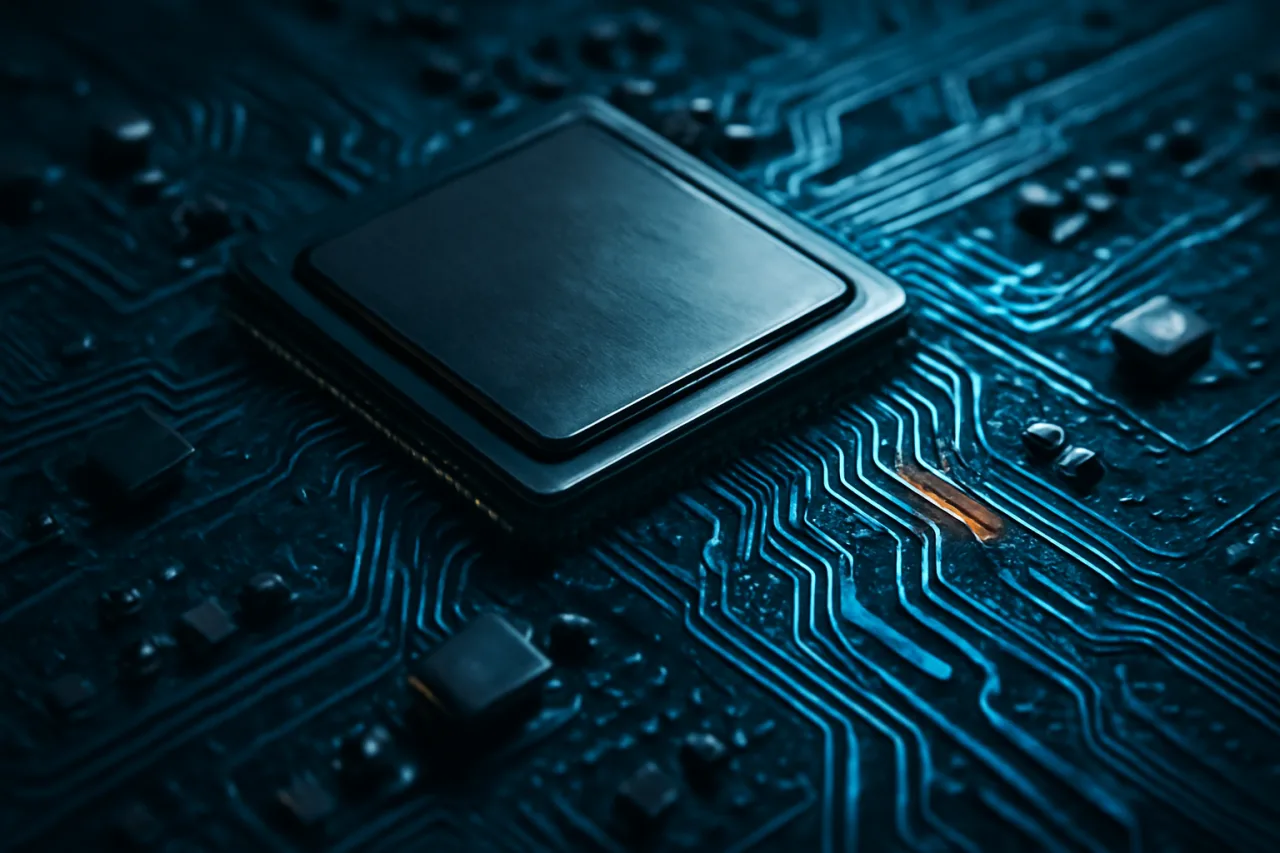
China has introduced its supercomputer in Shenzhen as the fastest system in the world, ending the U.S.'s leadership that has lasted since 2017. This new supercomputer stands out with its design that uses only standard microprocessors and does not require specialized graphics processing units (GPUs).
What happened?
This development is an indicator of how fierce the competition in the supercomputer field is. China has made significant investments in supercomputer technology, especially in recent years. This new achievement has become both a technological and a national prestige issue.
Why is it important?
China's success is directly linked to the consistency of its science and technology policies. The government's support for scientific research and development has strengthened China's technological infrastructure. Additionally, China's goal of technological independence on the international stage is a significant motivation behind this development. The U.S.'s restrictions on high-tech exports have accelerated China's efforts to enhance its own technological capabilities.
The technology race between China and the U.S. is not limited to supercomputers. Similar competition is observed in many areas, including artificial intelligence, 5G communication, and semiconductor production. For instance, while the U.S. leads in GPU production through companies like Nvidia, China is increasing its investments to develop its domestic production capabilities.
What is changing?
This situation indicates a significant shift in global technology dynamics. The U.S., which has lost its world leadership in the supercomputer field, may face challenges in other high-tech areas as well. Furthermore, China's success in this area may lead to a more proactive approach in international collaborations and information sharing.
| Country | Number of Supercomputers | Annual R&D Spending |
|---|---|---|
| China | 200+ | $100 billion |
| U.S. | 150+ | $80 billion |
What’s next?
The competition is expected to intensify in the future. The U.S. may increase its technological investments for national security reasons, and China's supercomputer projects may gain new momentum, potentially leading to new waves of innovation. Additionally, further developments are expected not only in supercomputer technologies but also in artificial intelligence and data analytics.
In conclusion, China's success in the supercomputer field is not just a technological advancement but also a harbinger of significant changes in global power dynamics. How the U.S. will respond to this new situation and what strategy it will adopt in future competition will shape developments in the technology sector.
Yorumlar (0)
Henüz yorum yok. İlk yorumu sen yaz.
Yorum yapmak için Sinyal'i indir
Yorumlar Sinyal hesabıyla yapılır. Mobil uygulamada giriş yap, yorum bırak.