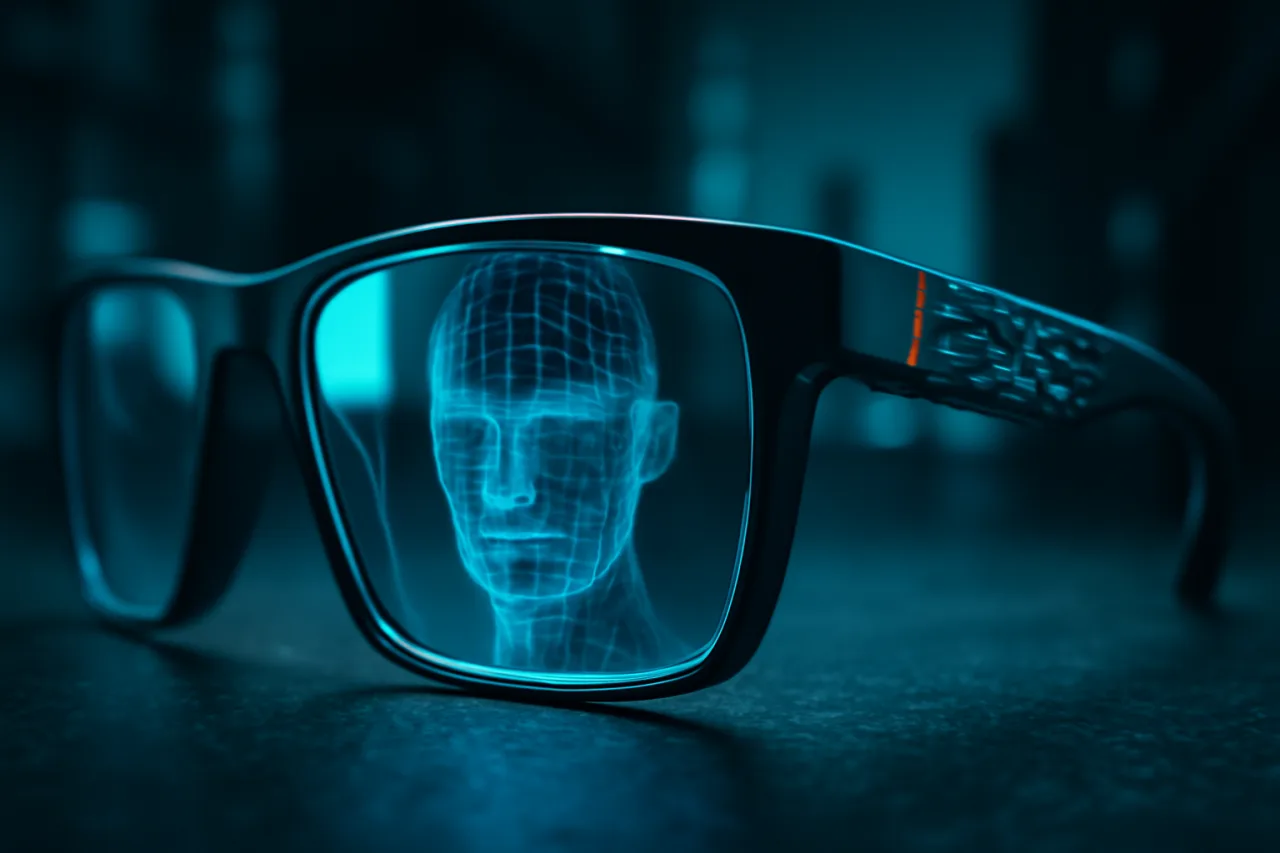
Meta's recent tests on its smart glasses reveal that facial recognition technology could be used as a surveillance tool. The company is exploring the possibility of collaborating with law enforcement surveillance tools. This situation initiates a critical discussion regarding users' privacy rights and the potential impacts on societal oversight.
What happened?
A notable development during the development of Meta's smart glasses is the connection with a company associated with facial recognition technology and surveillance systems. Currently, various tests are being conducted on how this technology can be integrated for police and military uses.
Why is it important?
This development raises questions about Meta's perspective on user privacy. The company has previously made commitments regarding the protection of user data; however, its shift towards such technology could undermine its credibility. Especially with the widespread adoption of smart glasses, concerns are growing about how such surveillance technologies will be used in society and their potential for misuse.
Past experiences with similar technologies have shown that violations of user privacy frequently occur. For example, Amazon's Ring system has been criticized due to its relationships with local law enforcement. Meta's move could bring about similar criticism. Unauthorized monitoring of users or sharing social media data with law enforcement could cause significant unrest in society.
Who will it affect and how?
Meta's approach to such technology could lead to widespread discussions about its effects on both individual users and society. Users may be concerned about violations of their privacy rights, while human rights activists may question the negative impacts of this situation on societal oversight. Moreover, while the use of such technologies in the business world may be defended as meeting a specific security need, ethical dimensions should not be overlooked. Below is a table showing the potential positive and negative effects of Meta's approach:
| Aspect | Positive Effects | Negative Effects |
|---|---|---|
| Security | Potential to reduce crime rates | Unauthorized monitoring and privacy violations |
| Technological Development | Development of innovative products | Erosion of user trust |
| Collaborations | Opportunities for collaboration with law enforcement | Emergence of ethical issues |
What's next?
Looking ahead, Meta's tests and results may reshape the company's relationship with the public. It will need to provide more transparency and accountability in protecting users' privacy rights. Additionally, regulatory bodies are expected to play a more active role in overseeing such technologies.
In conclusion, the tests conducted by Meta regarding its smart glasses projects represent not only a technological advancement but also a significant area of discussion concerning their impact on society. How the company manages these processes will be a decisive factor in whether it gains or loses user trust.
Yorumlar (0)
Henüz yorum yok. İlk yorumu sen yaz.
Yorum yapmak için Sinyal'i indir
Yorumlar Sinyal hesabıyla yapılır. Mobil uygulamada giriş yap, yorum bırak.