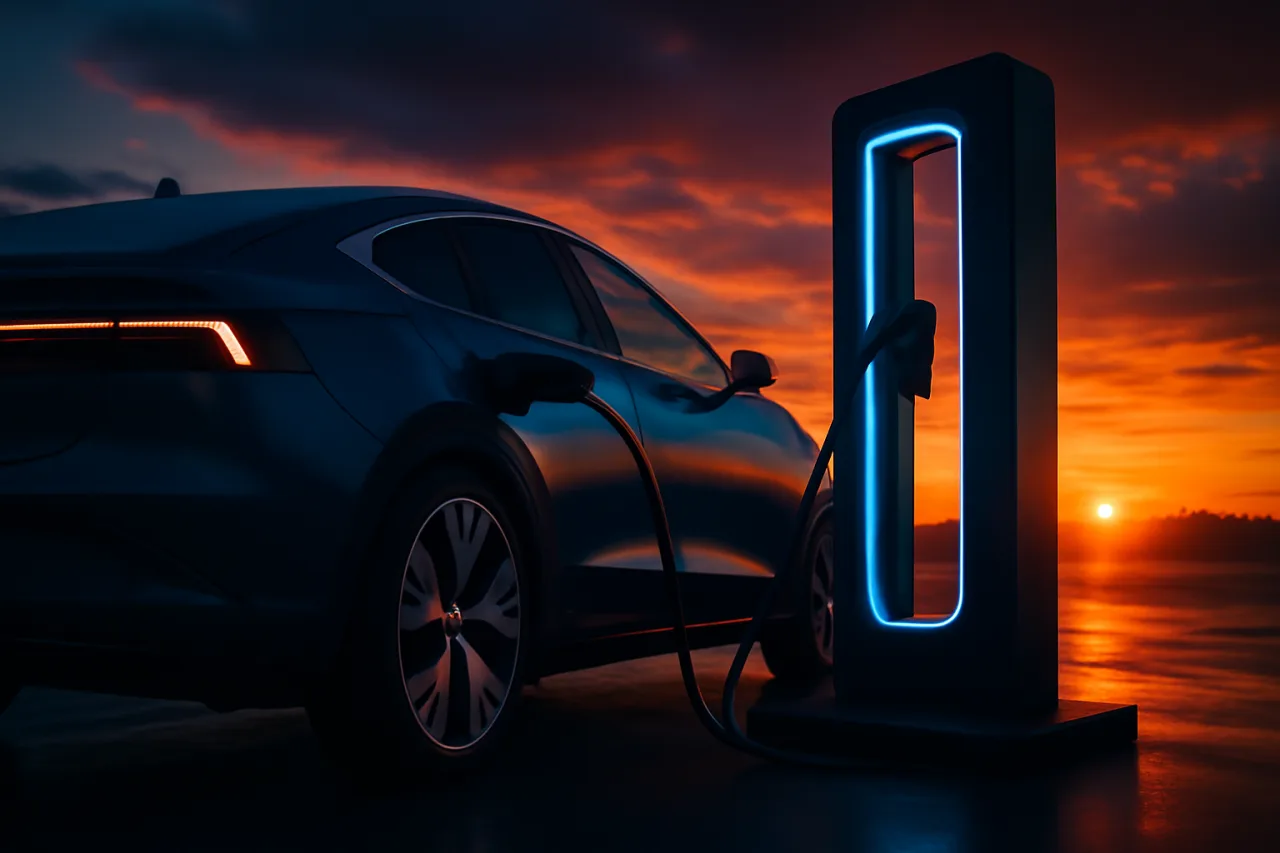
As electric vehicles become a fundamental element of sustainable transportation, battery technologies play a critical role in this transformation. CATL's newly introduced sodium-ion battery technology, offering a lifespan of 30 years and 15,000 charge cycles, could shake the long-standing dominance of lithium-ion batteries. While lithium-ion batteries form the heart of electric vehicles, the search for alternative solutions has become inevitable due to limited resources and environmental impact issues.
What happened?
CATL has introduced a new sodium-ion battery technology. These batteries stand out with their long lifespans and high charge cycle counts. They are expected to emerge as a more cost-effective and environmentally friendly alternative compared to traditional lithium-ion batteries.
Why is it important?
Sodium-ion batteries offer a more sustainable solution by utilizing sodium, which is abundant in nature. Unlike rare materials such as lithium, cobalt, and nickel, the availability of sodium could significantly reduce the costs of these new batteries. The high charge cycle and long lifespan could lower the total cost of ownership for electric vehicles, making them accessible to a broader audience.
Additionally, this technology has the potential to reduce environmental impacts; the production of sodium-ion batteries requires less energy and generates less harmful waste compared to lithium-ion batteries. However, it is known that the energy density of these new batteries is lower compared to lithium-ion ones. This situation could create a disadvantage in terms of performance. However, it remains to be seen how CATL plans to address this issue with the new technology and how the development process will progress.
What is changing?
The presence of sodium-ion batteries in the market could alter the cost structure of electric vehicles. More affordable batteries could lead to lower sales prices for electric vehicles. This situation could encourage more consumers to turn to electric vehicles and help grow the overall electric vehicle market. Additionally, the automotive industry will need to restructure battery supply chains, thereby reducing dependence on lithium-ion batteries.
| Technology | Cost | Energy Density | Lifespan | Charge Cycle |
|---|---|---|---|---|
| Lithium-Ion | High | High | 8-15 years | 1000-5000 |
| Sodium-Ion | Low | Medium | 30 years | 15,000 |
What’s next?
In the future, research will continue to improve the performance of sodium-ion batteries. Additionally, studies may explore how this technology could be utilized in energy storage systems and renewable energy solutions outside the automotive sector. Competition in the electric vehicle sector will intensify with the adoption of this new battery technology. Furthermore, the use of domestic resources will gain importance in the quest to enhance energy security.
In conclusion, the role of sodium-ion batteries in the electric vehicle market could bring significant changes in terms of cost and sustainability. However, how this new technology will match the performance advantages provided by lithium-ion batteries will be one of the key factors shaping developments in the industry.
Yorumlar (0)
Henüz yorum yok. İlk yorumu sen yaz.
Yorum yapmak için Sinyal'i indir
Yorumlar Sinyal hesabıyla yapılır. Mobil uygulamada giriş yap, yorum bırak.