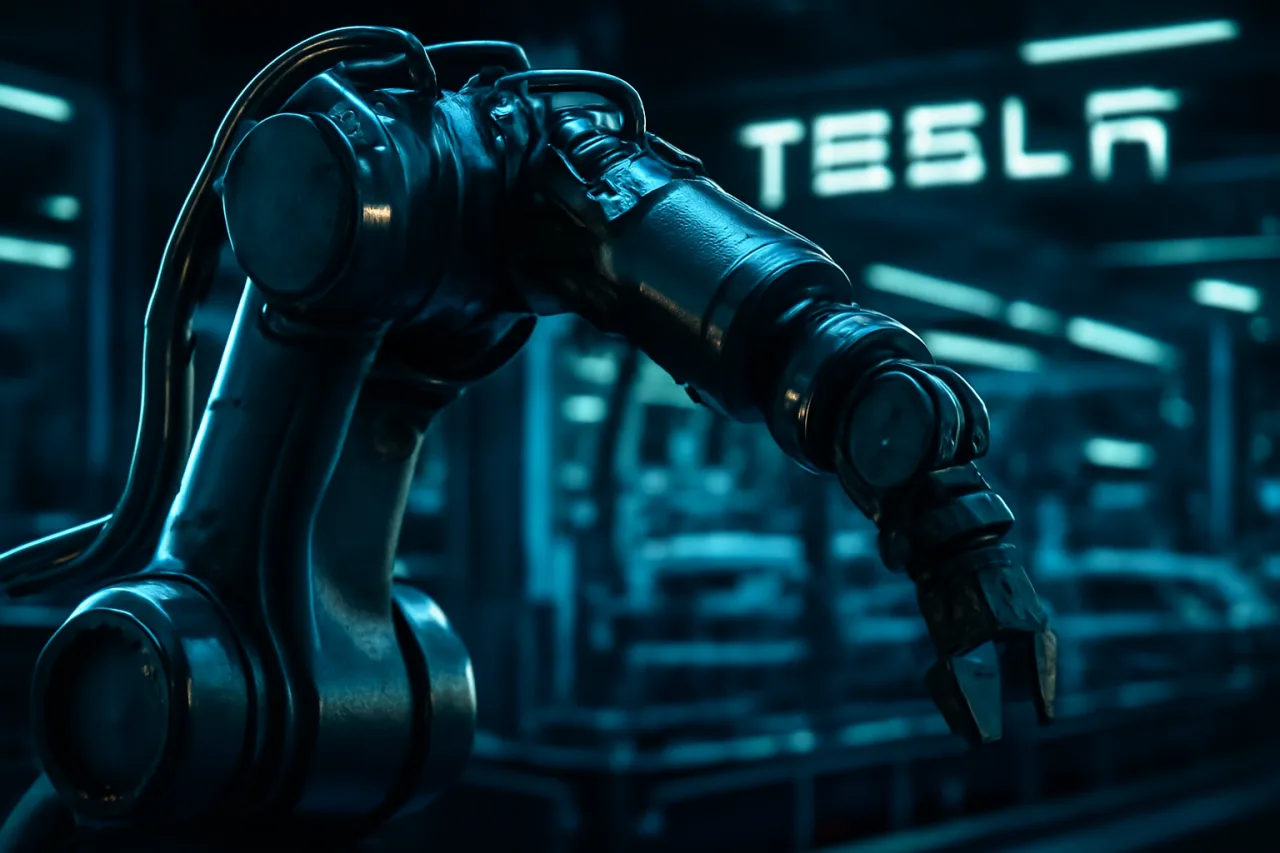
Tesla is approaching the mass production of its Optimus humanoid robot, a development that is critical not only for the company's future but also for robot technology and artificial intelligence applications. Construction at the Texas factory is progressing rapidly, and Taiwanese suppliers have already begun component shipments. This situation clearly demonstrates Tesla's goal of rising to a leading position in robot technology.
What happened?
Tesla has taken significant steps to initiate the mass production process for the Optimus robot. As construction of the new factory in Texas continues at a rapid pace, component shipments have also begun. This shows Tesla's seriousness in the field of robot technology and its growth plans.
Why is it important?
The transition of Optimus to mass production can be considered a significant turning point in robot technology. Tesla has previously revolutionized the automotive industry with electric vehicle production, and now aims to create a similar impact by entering the field of robot technology. This could reshape the applications of artificial intelligence and robot technologies in the industry. For example, it may aim to reduce labor costs and increase efficiency by enhancing automation in production processes.
Previously, companies like Boston Dynamics had made significant advancements in humanoid robots; however, Tesla's entry into this field could significantly increase competition. Tesla's strong engineering expertise and resources may allow for the rapid introduction of Optimus to the market.
What is changing?
The transition of Optimus to mass production could change the way many industries operate. The proliferation of robots in healthcare, agriculture, manufacturing, and service sectors may lead to a restructuring of the workforce. Additionally, this development could allow robots to play a larger role in daily life, affecting consumer habits as well.
| Feature | Traditional Robots | Tesla Optimus |
|---|---|---|
| Application Area | Limited | Versatile |
| Artificial Intelligence Support | Basic | Advanced |
| Adaptability | Low | High |
This table illustrates how Tesla's Optimus robot can be more flexible and used in various fields. While traditional robots are generally designed for specific tasks, Optimus's versatile structure makes it more appealing.
What's next?
In the coming period, more developments regarding Tesla's Optimus are expected to be announced. Initially, the release of prototypes of the robot is planned, followed by a transition to mass production. Additionally, how this process will be sustained and market acceptance will also be important topics. Tesla's strategy in this area could serve as an example for other technology companies to make similar investments.
In conclusion, Tesla's transition of the Optimus robot to mass production has the potential to lead to significant changes in robot technology and artificial intelligence applications. This development could have a major impact on both the industrial and consumer markets. However, how this process is managed and societal acceptance will be among the factors to be closely monitored in the upcoming period.
Yorumlar (0)
Henüz yorum yok. İlk yorumu sen yaz.
Yorum yapmak için Sinyal'i indir
Yorumlar Sinyal hesabıyla yapılır. Mobil uygulamada giriş yap, yorum bırak.