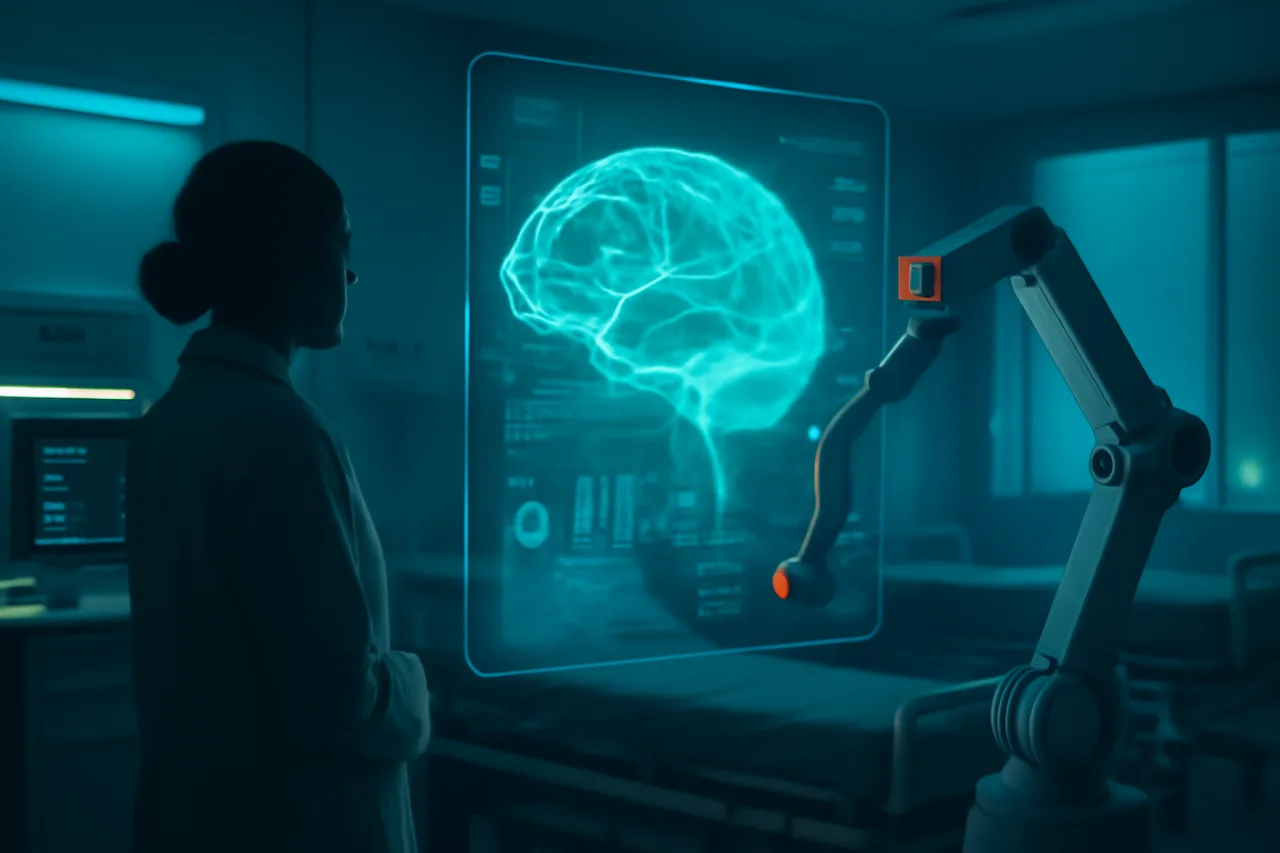
The potential of artificial intelligence in healthcare has once again come to the forefront with a new study published in the journal Nature. The research shows that AI can identify patients at risk of sudden cardiac death by detecting patterns not observable in routine EKG recordings. This situation serves as an important example of how effective AI can be in medical diagnosis and treatment processes.
What happened?
In the study, AI algorithms detected heart rhythm irregularities that could not be identified by traditional methods, thus offering the potential to prevent sudden deaths. Heart diseases are one of the most common causes of death worldwide, and such early detection methods could save patient lives.
Why is it important?
This development questions the integration of AI in healthcare services and brings innovative approaches to the forefront. Algorithms that work on information that humans might overlook allow for earlier detection of diseases. For example, previous studies have shown that AI has also demonstrated similar success in breast cancer screenings. Additionally, the time-saving and cost-reducing capabilities of such technologies could enhance the efficiency of healthcare systems.
However, ethical and security issues regarding these technologies must also be considered. To what extent can the use of AI in decision-making processes affect the human factor? An incorrect result could endanger a patient's life. Therefore, the transparency and reliability of AI systems are of utmost importance.
What is changing?
The increasing role of AI in healthcare applications has the potential to transform medical practices.
| Traditional Methods | AI-Based Methods |
|---|---|
| Detect sudden deaths with low sensitivity | Early detection with high sensitivity |
| Long evaluation times | Provide results in a short time |
| Prone to human error | Dependent on algorithm accuracy |
In the future, it is expected that AI systems will become more widespread in healthcare services. This could lead to revolutionary changes in the healthcare sector.
What’s next?
With ongoing research, it is anticipated that AI applications will find a place in a broader range of healthcare services. Furthermore, establishing oversight and ethical standards for such systems could pave the way for safer applications. It is crucial for healthcare institutions to provide necessary training in the integration of such technologies and to establish systematic oversight mechanisms.
In conclusion, the opportunities presented by AI in healthcare are significant; however, the ethical and security issues it brings should also be taken into account. Successfully integrating AI has the potential to enhance the quality of healthcare services.
Yorumlar (0)
Henüz yorum yok. İlk yorumu sen yaz.
Yorum yapmak için Sinyal'i indir
Yorumlar Sinyal hesabıyla yapılır. Mobil uygulamada giriş yap, yorum bırak.