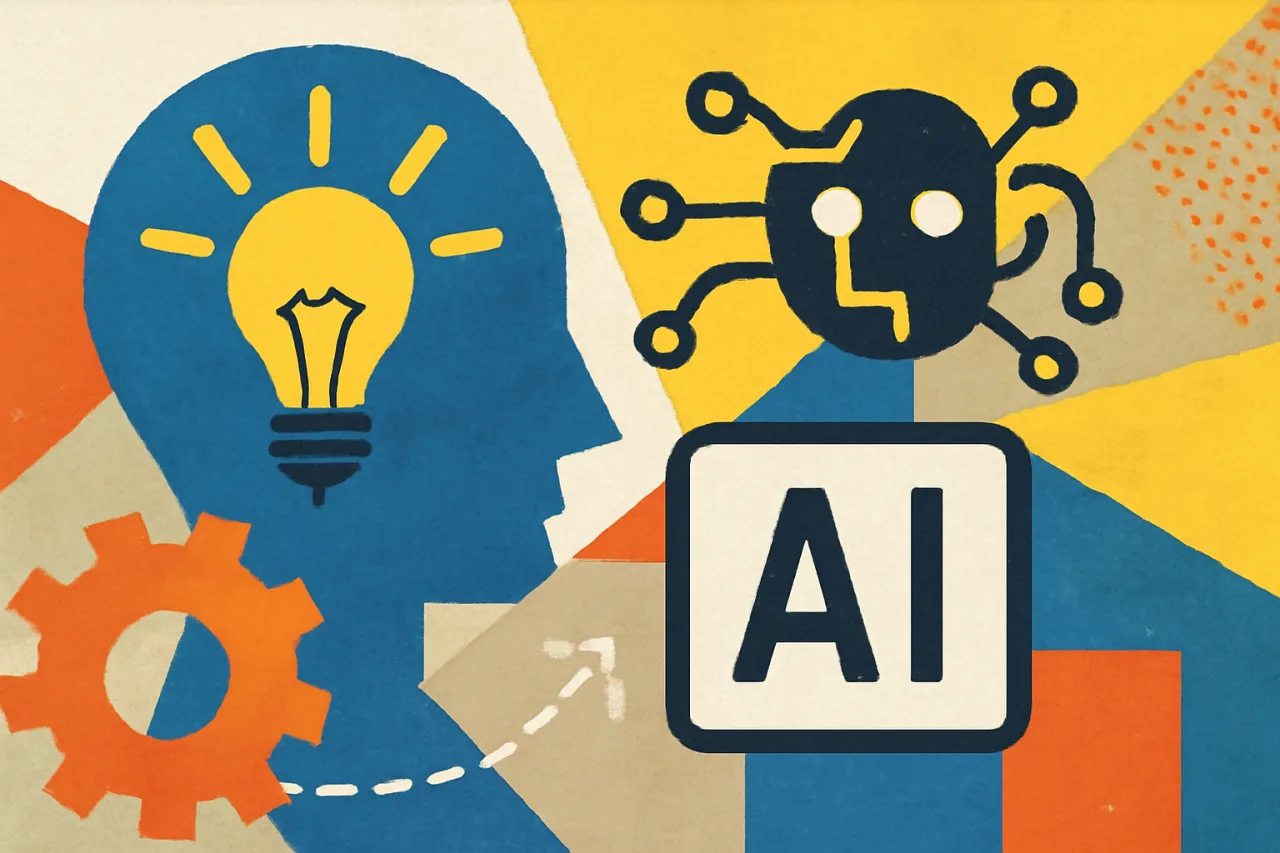
Artificial intelligence addiction can negatively affect individuals' critical thinking skills. Research conducted by the Massachusetts Institute of Technology shows that over-reliance on chatbots weakens individuals' ability to discern misleading information. While AI tools increase access to information, they also carry the risk of users disabling their own cognitive processes. Critics point out that this situation could harm the education system and the overall information literacy of society.
Background of the Research
In recent years, artificial intelligence and chatbot technologies have gained significant popularity. While these tools facilitate access to information on social media and digital platforms, they also bring risks. Users may overlook the need to examine sources by taking advantage of the efficiency and speed provided by AI. The research emphasizes that a certain level of inquiry is essential for the development of individuals' critical thinking skills.
This situation is particularly concerning for the younger generation. The education system should pay more attention to students' access to information and the development of their critical thinking skills. Unnecessarily relying on chatbots dulls students' abilities to conduct research and develop a critical approach to information.
Educational and Societal Impacts
While artificial intelligence facilitates access to information, it weakens individuals' intellectual independence. Educators should encourage students to conduct their own research while benefiting from the advantages of artificial intelligence. It is evident that the education system must focus on information literacy to strengthen students' critical thinking skills.
In this context, chatbots and other artificial intelligence tools can be considered as assistants to accelerate the flow of information; however, excessive use of these tools can create serious problems. In an age where misinformation is widespread, the ability to access and evaluate accurate information becomes even more crucial.
Future Perspective
As artificial intelligence technologies continue to evolve, individuals need to reassess their relationships with these tools. Educators should create curricula that develop critical thinking skills and guide students to question artificial intelligence resources. To mitigate the negative effects of artificial intelligence addiction, individuals should adopt a more conscious and critical approach to information.
In conclusion, while artificial intelligence and chatbots are powerful tools that facilitate our access to information, it is essential not to neglect independent thinking and critical thinking skills. Otherwise, this addiction could weaken the overall knowledge level of society.
Yorumlar (0)
Henüz yorum yok. İlk yorumu sen yaz.
Yorum yapmak için Sinyal'i indir
Yorumlar Sinyal hesabıyla yapılır. Mobil uygulamada giriş yap, yorum bırak.