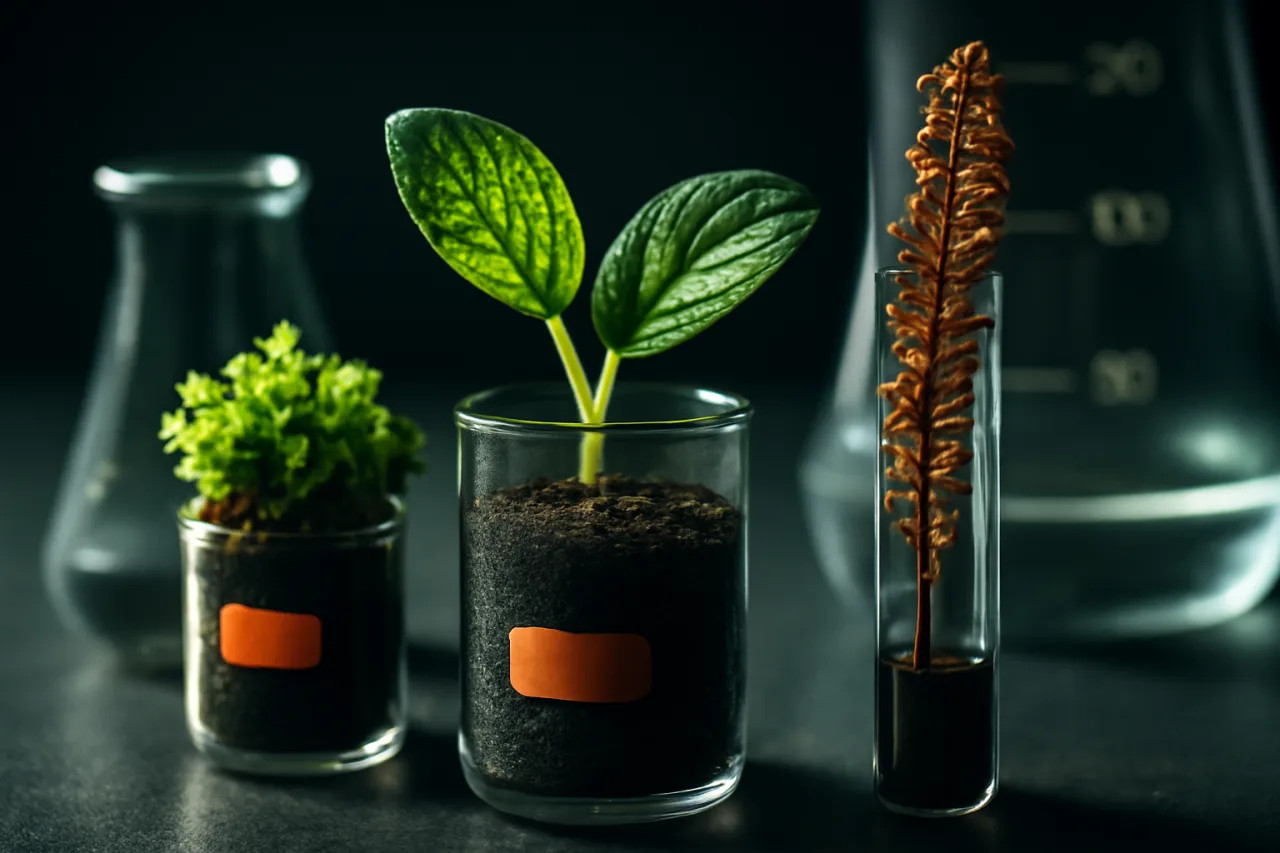
The rise of artificial intelligence and digitalization could be a significant turning point for botanists in their efforts to identify and protect plants that are facing the threat of extinction. New technologies enable tracking how flowering times have changed globally, rapidly identifying new specimens, and extracting critical genetic data from 180-year-old fungal samples. This situation potentially opens the doors to a "genome gold mine," allowing for the development of new strategies for plant conservation.
What happened?
A significant report published by the Royal Botanic Gardens, Kew, reveals how artificial intelligence could revolutionize botanical studies. With this technology, researchers are now not only faster in identifying specimens but also able to access important information for the conservation of biodiversity from the data obtained. In particular, digitization and online access facilitate access to millions of specimens previously stored in archives, leading to new insights.
Why is it important?
These developments present a critical opportunity to protect plant species that are rapidly threatened by climate change and human activities. Artificial intelligence can significantly enhance scientists' efforts to identify and protect endangered plants by accelerating data analysis. For example, the analysis of genetic data can play an important role in understanding plants' adaptation abilities and in the conservation of such species. Additionally, the use of such technologies can enable more effective allocation of resources needed to preserve biodiversity.
However, it should not be forgotten that these developments also bring some ethical and practical issues. For instance, there is no clear answer regarding how effective artificial intelligence will be in the conservation of certain species. Furthermore, the use of these technologies may lead to prioritizing the conservation of some plants, which could affect ecosystem balances.
What is changing? or How does it reflect on whom?
The role of artificial intelligence and digitalization in plant protection efforts allows scientists and environmental activists to develop new strategies. These developments can provide a more comprehensive understanding of ecosystem conservation, especially by supporting botanical research in developing countries. For example, the conservation of rapidly disappearing plants worldwide could enhance the quality of life for local communities and promote ecotourism.
| Technology | Traditional Methods | Methods with Artificial Intelligence |
|---|---|---|
| Time | Slow and time-consuming | Fast data analysis |
| Access | Limited to a few samples | Millions of digital samples |
| Efficiency | Low | High, with fewer resources |
What’s next?
The impact of artificial intelligence on botanical science will become clearer in the coming years. Scientists can evaluate the opportunities offered by this technology to make care and protection processes more efficient. Additionally, political decision-makers' attention to developments in this area may lead to a reshaping of environmental policies and strategies.
In conclusion, artificial intelligence and digitalization have the potential to create significant change in the field of botany. However, the effects of these developments on ethics and ecosystem balances must be carefully evaluated. The opportunities presented by technology can be an effective tool to support scientists' plant protection efforts; however, caution is essential in this process.
Yorumlar (0)
Henüz yorum yok. İlk yorumu sen yaz.
Yorum yapmak için Sinyal'i indir
Yorumlar Sinyal hesabıyla yapılır. Mobil uygulamada giriş yap, yorum bırak.