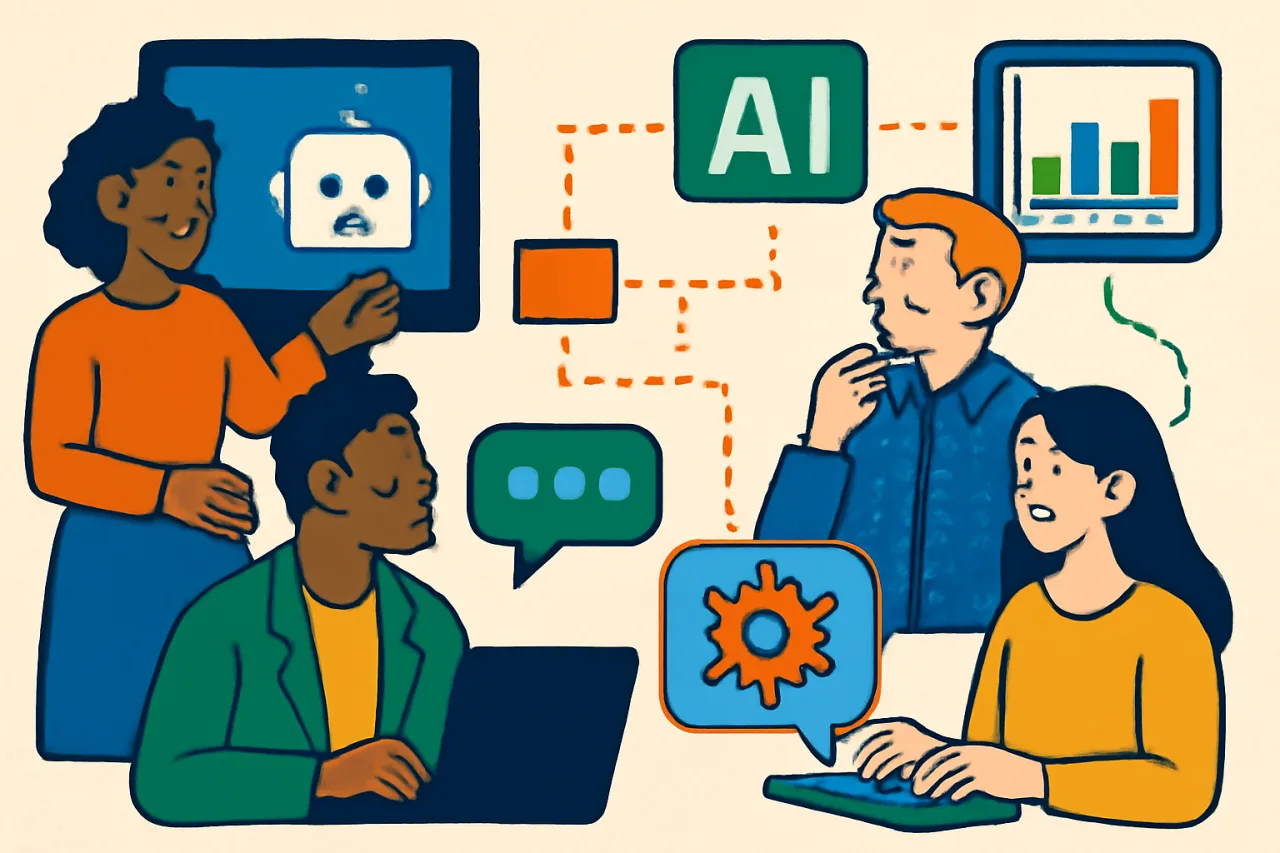
Artificial intelligence (AI) is creating a transformation in the workforce. Recent studies indicate that even in areas where AI automates work processes, the demand for human skills is rising. This situation seems poised to fundamentally alter workforce dynamics.
What Happened?
According to a report by PwC, even in jobs where AI provides automation, growth and salary increases are observed. It is noted that employees are increasingly gravitating towards positions that require human skills such as creativity, empathy, and communication. This creates an interesting contradiction from traditional perspectives.
Why Is It Important?
Traditionally, we have gone through a period where technical skills were prioritized in workforce training. However, today’s work environment, with the widespread adoption of AI, is further emphasizing the importance of human skills. Creativity, problem-solving, and social skills stand out as areas where machines cannot compete. For example, in the service sector, employees need a human touch to enrich the customer experience, which is why the demand for individuals with emotional intelligence is increasing.
Additionally, employers are looking for employees who not only possess technical knowledge but can also effectively guide people with that knowledge. This change will necessarily restructure employees' training processes and career planning. Educational institutions must update their curricula according to these new needs and equip students with both technical and social skills.
What Is Changing?
Moreover, workforce dynamics are also undergoing change. As AI functionality increases, employees will need to focus more on strategy and creativity in their roles. This situation calls into question traditional job definitions; for instance, managerial positions, which were once solely based on management skills, now also encompass leadership, empathy, and communication skills.
| Skill Type | Previous Demand | New Demand |
|---|---|---|
| Technical Skills | High | Medium |
| Human Skills | Low | High |
The table above clearly illustrates how the skills required in the workforce have evolved. Employers are now looking for employees who are not only "capable" but also "understanding."
What’s Next?
In the future, investments in workforce training are expected to increase in parallel with this change. Educational institutions must update their curricula to prepare students for this new skill set. Additionally, current employees will also need to acquire these skills through continuous education. This will be a significant step in career development and may increase employers' willingness to invest in their employees.
In conclusion, the effects of AI on the workforce will not be limited to automation. The rising demand for human skills will shape the dynamics of the future workforce. In this context, education and career planning will have to adopt a more human-centered approach.
Yorumlar (0)
Henüz yorum yok. İlk yorumu sen yaz.
Yorum yapmak için Sinyal'i indir
Yorumlar Sinyal hesabıyla yapılır. Mobil uygulamada giriş yap, yorum bırak.