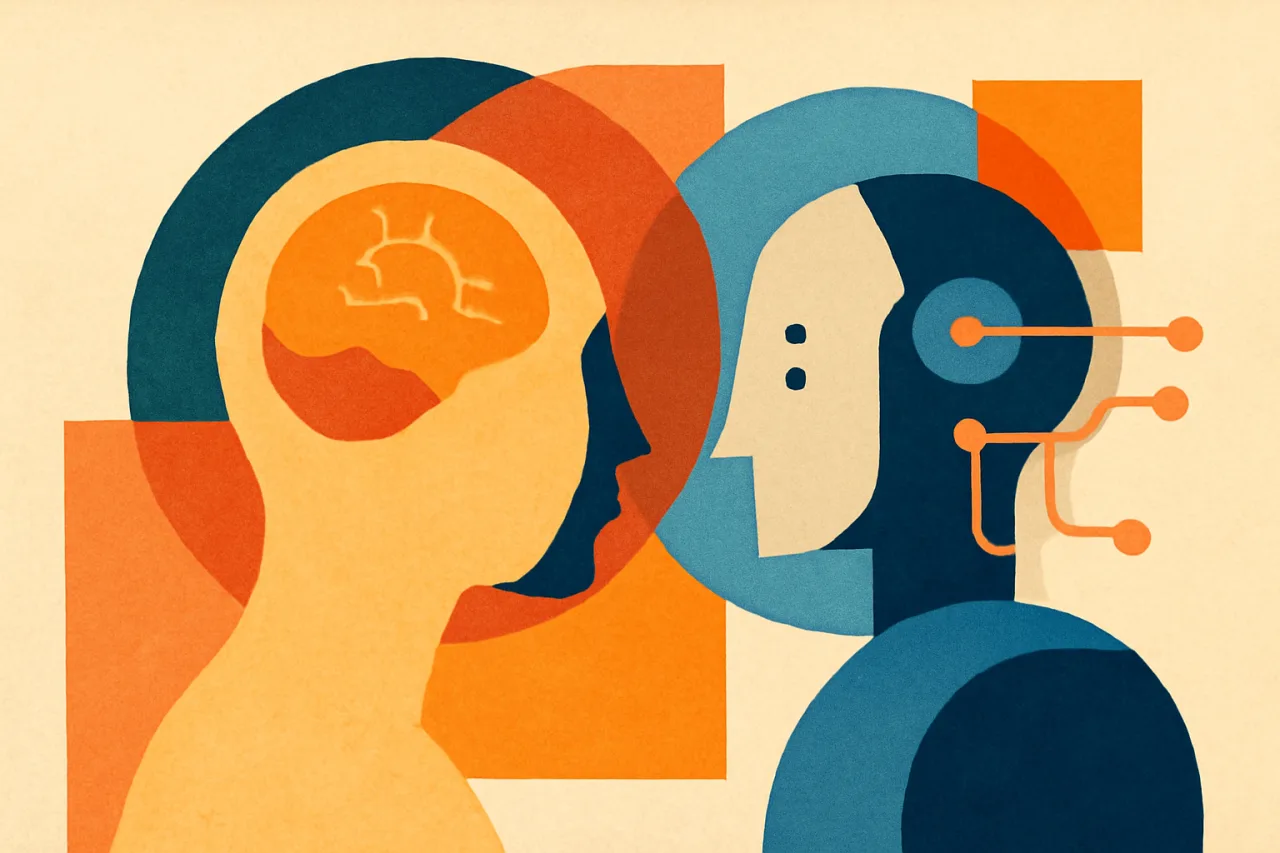
Developing artificial intelligence systems have begun to play a significant role in users' decision-making processes. Researchers from the Wharton School at the University of Pennsylvania introduced the term 'cognitive surrender' in a study questioning whether people are delegating their thought processes to chatbots. This concept refers to users becoming overly dependent on artificial intelligence, leading them to abandon their own thinking processes.
What Happened?
Wharton researchers Steven Shaw and Gideon Nave, in their study titled "Thinking, Fast, Slow, and Artificial" published in January, described a psychological pathway for how individuals delegate their decision-making processes to artificial intelligence. This situation leads individuals to view artificial intelligence as a reliable authority rather than engaging in an effective thinking mechanism during automated decision-making processes.
Why Is It Important?
The concept of cognitive surrender emerges in an era where human and artificial intelligence interactions are deepening. This development indicates a decrease in individuals' independent thinking abilities, which could ultimately affect societal decision-making processes as well. For instance, AI-supported recommendation systems assist users in determining preferences during shopping or information-seeking processes, while also raising the question of how conscious these preferences are.
Similarly, the effects of past technological changes on human behavior must be considered. The widespread access to information created by the internet in the 1990s altered users' ways of thinking about information. Today, the integration of artificial intelligence into decision-making processes takes this change a step further. People are beginning to make fewer independent decisions by delegating their thought processes.
What Is Changing?
The increasing role of artificial intelligence in decision-making processes is reshaping individuals' ways of thinking. Users are starting to trust the solutions offered by artificial intelligence more, effectively making their minds lazy. While this may accelerate decision-making processes in the short term, it could lead to a decrease in individuals' critical thinking abilities in the long term.
| Situation | Importance | Consequences |
|---|---|---|
| Users are becoming dependent on artificial intelligence | Thinking abilities are declining | Fewer independent decisions |
| Decision-making processes are accelerating | Quick solutions are available | Deep thinking is decreasing |
What’s Next?
The consequences of cognitive surrender may have effects not only on individuals but also at a societal level. The value of human thought will be questioned again in education systems, the business world, and social interaction areas. If users continue to see artificial intelligence as a tool in information and decision-making processes, how human-machine interaction will evolve will be a significant point of curiosity.
In conclusion, the concept of cognitive surrender highlights the need to redefine our relationship with artificial intelligence. How human thought processes are influenced by artificial intelligence emerges as an area requiring more research and discussion in the future.
Yorumlar (0)
Henüz yorum yok. İlk yorumu sen yaz.
Yorum yapmak için Sinyal'i indir
Yorumlar Sinyal hesabıyla yapılır. Mobil uygulamada giriş yap, yorum bırak.